










STEM EDUCATION · ROBOTICS FOR KIDS
Simple Machines for Kids: A Hands-On Introduction to Engineering, Robotics and STEM Learning
Simple machines are one of the best ways to help children understand how the world works. Through building, testing and experimenting with LEGO mechanisms, young learners discover the basic principles behind cranes, elevators, cars, gears, levers and other real-life machines.
What Are Simple Machines?
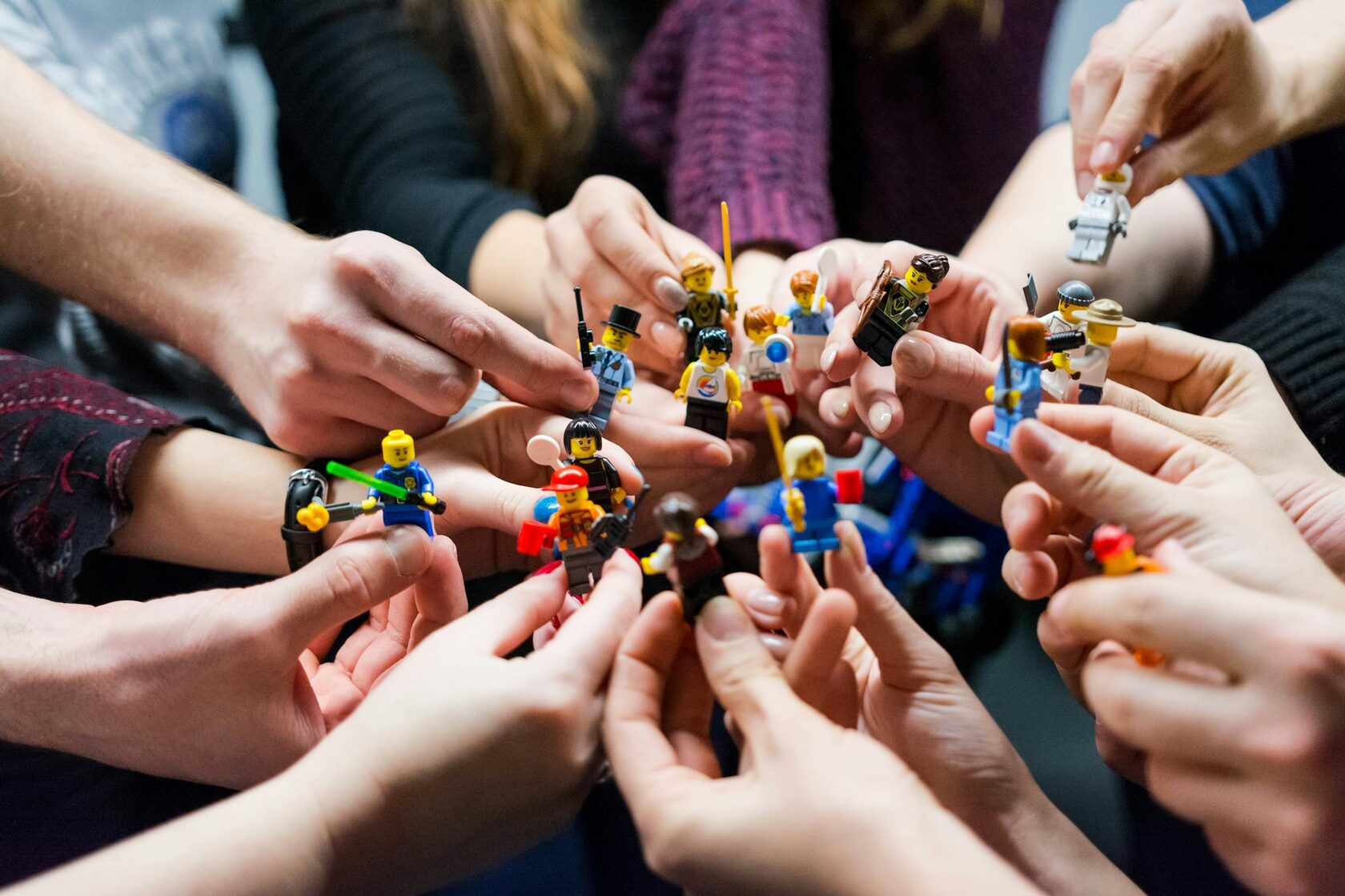
Simple machines are basic mechanical devices that help people do work more easily. They do not create energy, but they help change the direction, speed or strength of a force.
Children meet simple machines every day, often without realizing it. A door handle, a bicycle, scissors, a playground slide, a crane, an elevator and even a fishing rod all use mechanical principles that can be explained through simple machines.
The classic simple machines include levers, wheels and axles, pulleys, inclined planes, wedges and screws. In real life, these mechanisms are often combined into more complex machines such as cars, construction equipment, amusement rides and robots.
This is why simple machines are such a powerful topic for early STEM education. They connect physics, engineering, problem-solving and creativity in a way that children can see, touch and test.
Why Children Should Learn Mechanics Early
Children are natural engineers. They constantly ask questions about how things move, why objects fall, how cars drive, how cranes lift heavy loads and why some machines make work easier.
A course on simple machines turns this curiosity into structured learning. Instead of only hearing explanations, children build working models, test them, compare results and draw conclusions.
For children aged 6+, this approach is especially effective. At this age, they are ready to explore cause-and-effect relationships, follow building instructions, compare objects, count parts, use basic measurements and explain what they observe.
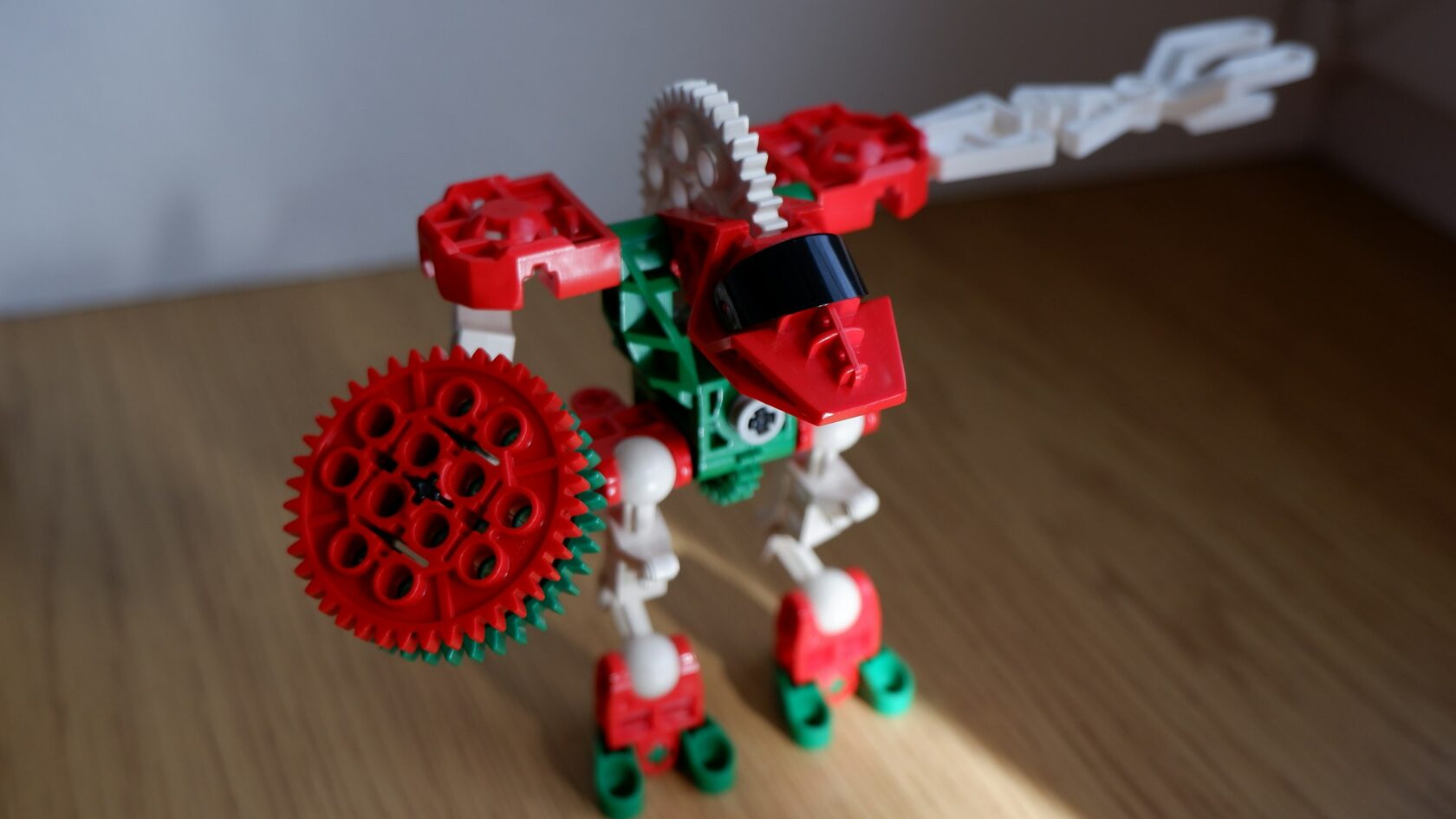
When children build a lever, they do not just memorize the word "lever". They see how the position of the pivot changes the result. When they build a gear mechanism, they observe how one wheel can make another wheel turn faster or slower. When they build a crane, they understand why lifting systems need balance and control.
Why Mechanics Comes Before Robotics
Many parents and educators think that robotics starts with programming. In reality, robotics starts with mechanics.
A robot is not only code. It is also a physical machine. It has wheels, gears, arms, frames, joints, motors and moving parts. If children understand how mechanical systems work, they are much better prepared to study robotics and coding later.
Before children program a robot to move, they should understand what makes movement possible. Before they use motors and sensors, they should understand force, motion, balance, transmission and energy.
This is exactly why simple machines are an ideal first step into robotics for kids. They give children the mechanical foundation they need before moving to coding, automation and more advanced STEM projects.
Course
What Is the DIGIT Simple Machines Course?
The DIGIT Simple Machines course is a hands-on engineering curriculum for children aged 6+. It introduces young learners to the world of machines, mechanisms and everyday engineering through LEGO-based building projects, experiments, worksheets and guided classroom activities.
The course is designed for children who are ready to explore how real machines work. During the lessons, students build functional LEGO models of vehicles, construction machines, aircraft, amusement rides and mechanical devices.
The full course includes 36 lessons across two semesters. Each lesson introduces a new mechanical idea while reinforcing previously learned concepts. Children gradually move from simple mechanisms to more complex systems.
The goal is not only to build models. The goal is to help children understand how machines work, develop engineering thinking and prepare for future learning in robotics, coding and STEM.
What Children Build in the Course
One of the strongest parts of the DIGIT Simple Machines course is that every topic is connected to a real model. Children do not study mechanisms in isolation. They build machines that make sense to them.
ProjectBuild
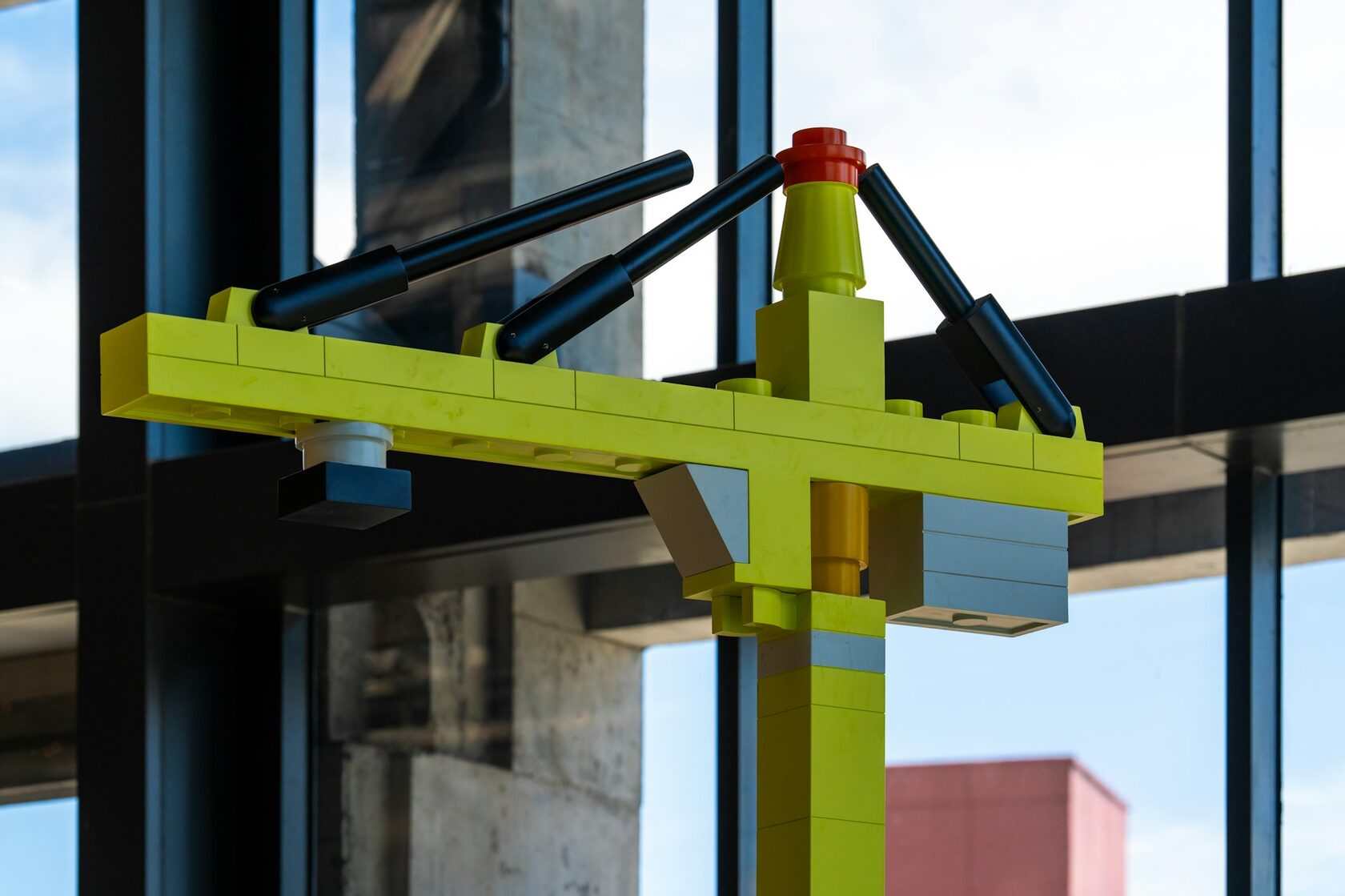
Tower Crane: Winch, Ratchet and Counterbalance
While building a tower crane, children discover how a winch helps lift objects and how a ratchet mechanism can hold a load in place. They also begin to understand why large construction machines need balance.
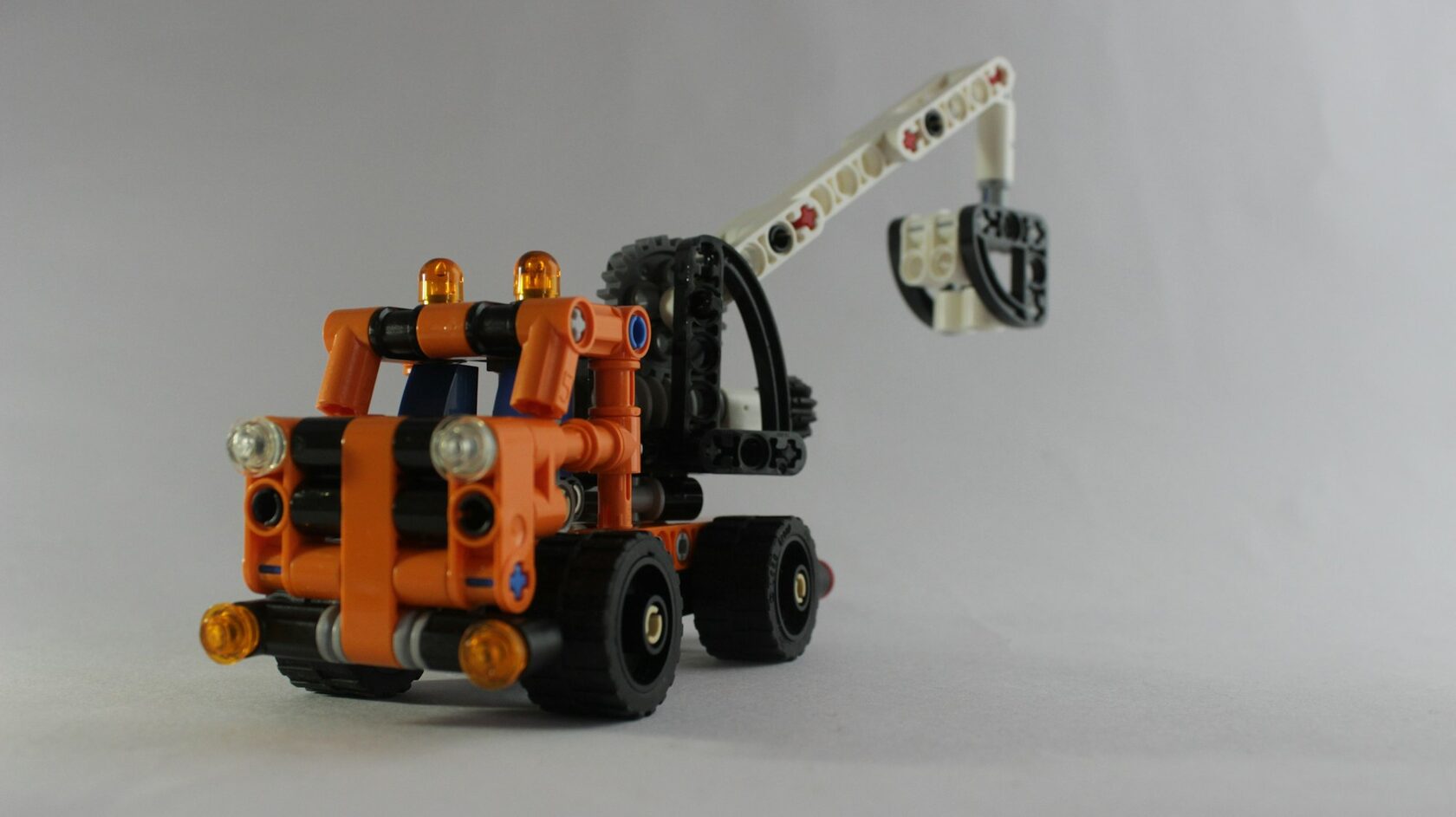
Forklift: Rack Gear
In the forklift project, children learn how rack gears can transform rotation into straight movement. This helps them understand how lifting systems work in warehouses and factories.
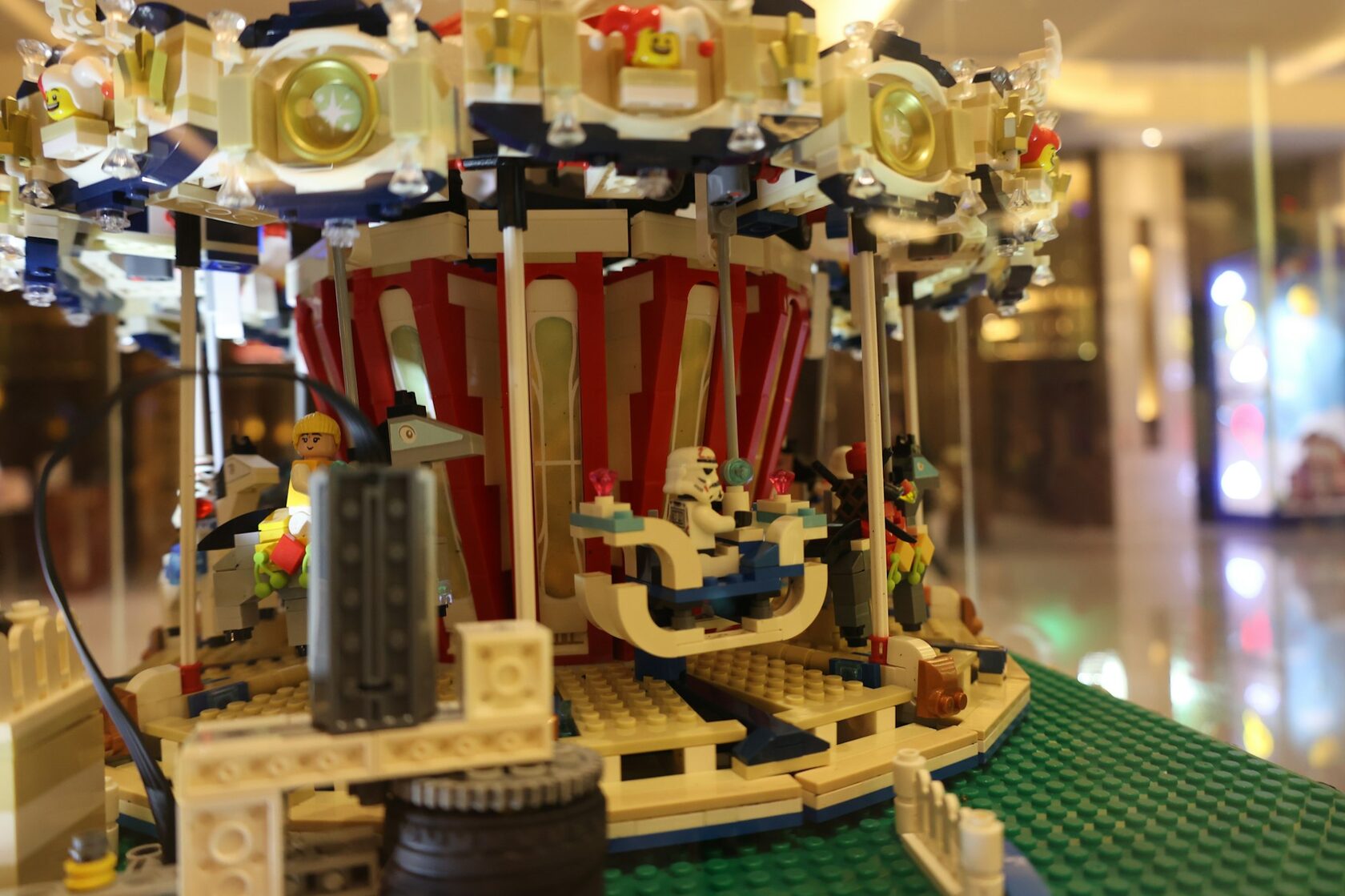
Ferris Wheel: Belt Drive
The Ferris wheel introduces belt transmission and rotational motion. Children observe how pulleys and belts transfer movement from one part of the model to another.
Elevator: Worm Gear and Pulley
The elevator project combines several important mechanical ideas. Children learn how pulleys help lift objects and how worm gears can provide controlled movement.
Excavator & Bucket Loader: Levers and Worm Gears
Construction equipment is especially exciting for children. By building excavators and bucket loaders, students discover how levers, arms and gear systems work together to move and lift loads.
Wind Turbine & Wind-Powered Car: Energy Conversion
These projects help children understand that machines can transform energy. Wind can create motion, motion can be transferred, and mechanical systems can be used to solve practical problems.
Other projects in the course include catapults, water wells, airplanes, helicopters, mechanical scales, scissor lifts, bicycles, monorails, animal-inspired mechanisms and more.
What Skills Children Develop
The DIGIT Simple Machines course develops much more than technical knowledge. It helps children build a broad set of cognitive, social and STEM skills.
Engineering Thinking
Children learn to ask how and why a mechanism works. They compare designs, test models and look for better solutions.
Cause-and-Effect Reasoning
Every model shows that one action creates another. If a gear turns, another part moves. If the lever is longer, the result changes.
Basic Physics and Mechanics
Children become familiar with force, motion, speed, balance, energy, transmission and mechanical advantage in a practical and age-appropriate way.
Math and Measurement
The course naturally includes counting, comparing, measuring, identifying shapes and working with simple quantities.
Vocabulary and Communication
Children learn the names of mechanisms and LEGO parts, explain their observations and discuss their ideas with classmates.
Creativity and Problem-Solving
Machines do not always work perfectly on the first try. Children learn to improve their models, find mistakes and try again.
How the Course Works in the Classroom
The course is designed for small groups and practical learning. A typical lesson lasts around 60 minutes and includes building, experimentation, discussion and worksheet activities.
Children use LEGO mechanical construction sets, building instructions, worksheets and multimedia lesson materials. The structure helps teachers guide the lesson step by step while still leaving space for discovery and creativity.
A typical lesson includes:
This combination of construction, play and structured reflection makes the course suitable for schools, learning centers, robotics clubs and STEM programs.
Why This Course Is Different from Regular LEGO Building
Many children enjoy building with LEGO, but free building alone does not always lead to deep understanding. The DIGIT Simple Machines course gives children a clear learning path.
Each project has an educational purpose. Children do not only build a model — they learn what mechanism is inside it, where this mechanism appears in real life and how it changes movement or force.
This makes the course different from ordinary construction play. It turns LEGO building into a structured introduction to engineering, mechanics and robotics.
Final Thoughts
Simple machines are one of the best starting points for STEM education. They are easy to observe, exciting to build and directly connected to the real world.
For children aged 6+, learning about levers, gears, wheels, pulleys, winches, rack gears, worm gears and belt drives can become the first step toward understanding engineering and robotics.
The DIGIT Simple Machines course helps children move from curiosity to understanding. They build real working models, test mechanical ideas and discover how machines around them actually work.
Before children become confident robot builders or young programmers, they need to understand motion, force, structure and cause and effect.
And that journey often begins with one simple question:
How does this machine work?
Explore the DIGIT Simple Machines Course
A structured 36-lesson STEM curriculum for children aged 6+, designed for schools, learning centers and robotics clubs.
Learn More